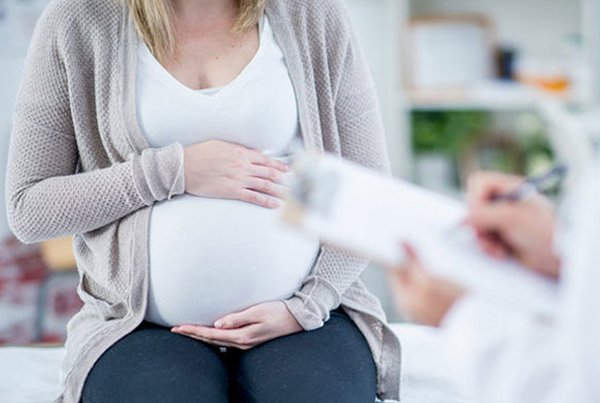
Epidural Pain Relief
Epidural pain relief is one of the most commonly used and effective methods for controlling pain during labor and childbirth. It helps reduce labor discomfort while allowing the mother to remain awake, aware, and actively involved in the birth of her baby. When administered by trained anesthesiologists under proper medical supervision, epidural anesthesia is considered a safe option for pain management during delivery.
What Is Epidural Pain Relief?
An epidural is a form of regional anesthesia that reduces pain sensations in the lower part of the body. During the procedure, a thin tube called a catheter is placed into the epidural space in the lower back. Pain-relieving medication is then delivered through this catheter to ease labor pain.
The medication numbs the lower body while keeping the mother conscious and alert throughout labor.
When Is Epidural Pain Relief Used?
Epidural pain relief is commonly used in situations such as:
- Normal vaginal delivery
- Long or painful labor
- Induced labor
- High-risk pregnancies
- Certain C-section procedures
The decision to receive an epidural depends on the mother’s comfort, medical condition, and the advice of the healthcare team.
How Is an Epidural Given?
The epidural procedure is performed by an anesthesiologist. The mother is asked to sit or lie on her side while the lower back area is cleaned and numbed using a local anesthetic. A needle is carefully inserted to place the catheter into the epidural space, after which the needle is removed.
Pain-relief medication is then given through the catheter and can be adjusted during labor based on comfort levels.
Benefits of Epidural Pain Relief
Epidural anesthesia offers several advantages, including:
- Significant relief from labor pain
- Allows the mother to stay awake and alert
- Helps conserve energy during prolonged labor
- Adjustable pain control as labor progresses
- Useful for both vaginal delivery and C-section
Many women find epidurals helpful in making childbirth more manageable and less stressful.
Effect on Labor and Delivery
An epidural reduces pain but does not stop labor. In some cases, the pushing phase may be slightly longer, but most women are still able to have a normal vaginal delivery. Labor progress is closely monitored by doctors and nurses to ensure safety.
When properly administered, epidurals do not harm the baby.
Possible Side Effects
Epidural pain relief is generally safe, but some temporary side effects may occur, such as:
- Mild soreness at the injection site
- Temporary drop in blood pressure
- Numbness or weakness in the legs
- Headache in rare cases
- Shivering or itching
Serious complications are rare and are managed promptly by medical professionals.
Preparation Before Receiving an Epidural
Before administering an epidural, the anesthesiologist reviews the mother’s medical history and explains the procedure in detail. Blood pressure and other vital signs are continuously monitored to ensure safety.
Mothers are encouraged to discuss any questions or concerns beforehand.
Recovery After Epidural
After delivery, the effect of the epidural gradually wears off. Sensation and movement in the legs usually return within a few hours. Most women can walk normally soon after childbirth.
Epidural anesthesia does not have any long-term effects on the mother’s health or her ability to breastfeed.
Is Epidural Pain Relief Safe?
Epidural pain relief is a safe and effective method of pain management when provided by experienced medical professionals. Continuous monitoring helps detect and manage any side effects early.
Your healthcare provider will guide you on whether an epidural is suitable based on your medical condition and labor progress.
Common Myths About Epidural Pain Relief
Many myths exist about epidurals. Epidural anesthesia does not cause permanent back pain, paralysis, or harm to the baby. Modern techniques have made epidurals safer and more effective than ever before.
Conclusion
Epidural pain relief is a dependable and effective option for managing labor pain. It allows mothers to experience childbirth with significantly reduced discomfort while remaining fully conscious and involved. With expert care and proper monitoring, epidural anesthesia can help make labor a more comfortable and positive experience.