Laparoscopic Myomectomy
Laparoscopic myomectomy is a modern surgical technique used to remove fibroids from the uterus without removing the uterus itself. This minimally invasive procedure is especially beneficial for women who want relief from fibroid-related symptoms while preserving their ability to conceive in the future. Compared to traditional open surgery, laparoscopic myomectomy involves smaller cuts, less discomfort, and a quicker recovery period.
What Is Laparoscopic Myomectomy?
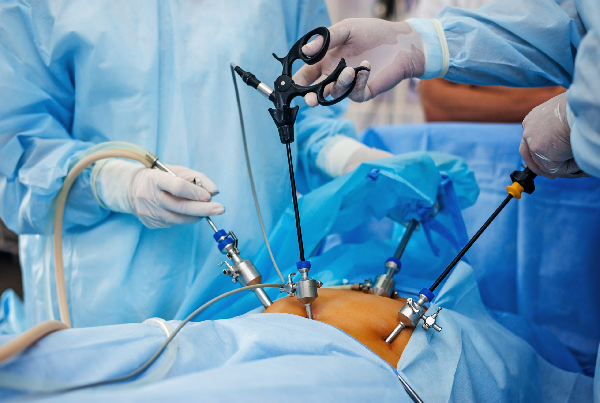
Laparoscopic myomectomy is performed using a laparoscope, which is a thin instrument equipped with a camera and light. During the surgery, the doctor makes a few small incisions on the abdomen and inserts the laparoscope along with fine surgical instruments. The camera provides a clear, enlarged view of the uterus on a monitor, helping the surgeon remove fibroids accurately.
In this procedure, only the fibroids are removed. After removal, the uterus is carefully reconstructed so that it can continue to function normally.
Understanding Uterine Fibroids
Uterine fibroids are non-cancerous growths that form within or on the surface of the uterus. They are quite common in women of reproductive age and can vary in size, number, and location. While some women may not notice any symptoms, others experience significant discomfort.
Common symptoms associated with uterine fibroids include:
- Heavy or irregular menstrual periods
- Pain or pressure in the lower abdomen
- Frequent need to urinate
- Pain during sexual intercourse
- Lower back or pelvic pain
- Difficulty becoming pregnant
When fibroids start interfering with daily activities or reproductive health, surgical treatment may be required.
Who Is a Suitable Candidate for Laparoscopic Myomectomy?
This procedure is usually recommended for women who:
- Have fibroids causing noticeable symptoms
- Want to retain their uterus
- Plan to have children in the future
- Do not get relief from medications
- Prefer a minimally invasive surgical approach
Before suggesting surgery, the doctor evaluates the size, location, and number of fibroids through imaging tests and clinical examination.
Advantages of Laparoscopic Myomectomy
Laparoscopic myomectomy offers several important benefits, including:
- Very small incisions with minimal visible scars
- Less blood loss during surgery
- Reduced pain after the procedure
- Short hospital stay
- Faster return to normal daily activities
- Preservation of the uterus and fertility
Most women can resume their routine within a few weeks after surgery.
Preparation Before the Procedure
Before undergoing laparoscopic myomectomy, the patient undergoes a thorough medical assessment. This may include ultrasound scans, MRI, blood tests, and a complete physical check-up. The doctor may advise stopping certain medications and will provide instructions related to fasting and hospital admission.
Following these guidelines helps ensure a safe surgery and smooth recovery.
How the Surgery Is Performed
Laparoscopic myomectomy is carried out under general anesthesia. Small incisions are made in the abdomen to insert the laparoscope and surgical tools. The fibroids are carefully separated from the uterine muscle and removed. After removal, the uterus is stitched securely to restore its strength.
In some cases, special techniques are used to remove fibroids through the small incisions. The duration of surgery usually ranges from two to four hours, depending on the complexity of the case.
Recovery After Laparoscopic Myomectomy
Recovery is usually faster compared to open surgery. Most patients can go home within one or two days after the procedure. Mild pain, abdominal bloating, or tiredness may occur initially and can be managed with prescribed medicines.
Patients are advised to avoid heavy lifting, intense physical activity, and strenuous exercise for a few weeks. Follow-up visits help the doctor monitor healing and overall recovery.
Pregnancy After Laparoscopic Myomectomy
One of the key benefits of laparoscopic myomectomy is that it preserves the uterus, making future pregnancy possible. Many women successfully conceive after the procedure. However, doctors usually recommend waiting for a few months before trying to conceive to allow proper healing of the uterus.
Your doctor will guide you on the right time to plan pregnancy based on your individual condition.
Is Laparoscopic Myomectomy Safe?
When performed by an experienced gynecologist, laparoscopic myomectomy is a safe and effective procedure. Like all surgeries, it carries some risks such as bleeding, infection, or recurrence of fibroids, but these complications are uncommon.
Before surgery, the doctor will explain all possible risks, benefits, and expected outcomes so you can make an informed choice.
Conclusion
Laparoscopic myomectomy is a uterus-preserving and fertility-friendly treatment option for women affected by symptomatic uterine fibroids. With its minimally invasive approach, faster recovery, and effective symptom relief, it has become a preferred surgical option for many patients. If fibroid symptoms are affecting your health or daily life, consulting an experienced gynecologist can help you decide whether laparoscopic myomectomy is the right solution for you.