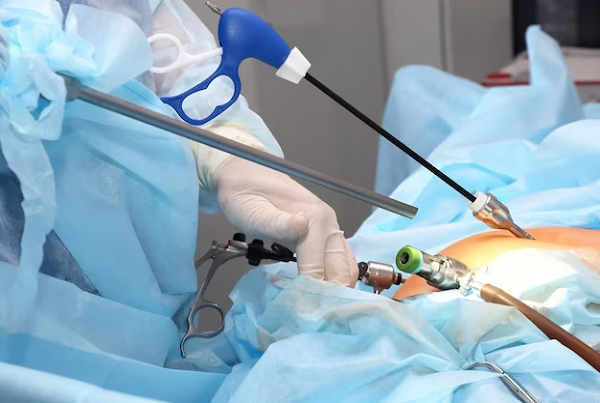
Laparoscopic Hysterectomy
Laparoscopic hysterectomy is an advanced and minimally invasive surgical procedure used to remove the uterus (also known as the womb). This procedure is often advised for women who experience long-standing gynecological problems that do not respond to medicines or other conservative treatments. Because it uses small incisions instead of a large cut, laparoscopic hysterectomy offers faster healing, less pain, and better cosmetic results compared to traditional open surgery.
What Is Laparoscopic Hysterectomy?
In a laparoscopic hysterectomy, the uterus is removed with the help of a laparoscope. A laparoscope is a thin instrument fitted with a camera and light, which allows the surgeon to view the internal organs clearly on a monitor. During the procedure, a few small incisions are made on the abdomen. Through these tiny openings, the laparoscope and other surgical instruments are inserted.
This technique allows the surgeon to perform the surgery with high accuracy while causing minimal damage to surrounding tissues. Depending on the medical condition, the uterus may be removed completely or partially. In certain cases, the ovaries and fallopian tubes may also be removed if required for the patient’s health.
Conditions Treated with Laparoscopic Hysterectomy
Laparoscopic hysterectomy is commonly recommended to treat several gynecological conditions, such as:
- Uterine fibroids causing heavy bleeding or pain
- Endometriosis
- Adenomyosis
- Chronic pelvic pain
- Abnormal or excessive menstrual bleeding
- Uterine prolapse
- Early-stage gynecological cancers
Before suggesting surgery, the doctor carefully evaluates the patient’s symptoms, medical history, physical examination, and test reports to ensure that hysterectomy is the most suitable option.
Types of Laparoscopic Hysterectomy
There are different types of laparoscopic hysterectomy, depending on how much of the uterus is removed:
- Total Laparoscopic Hysterectomy (TLH): The uterus and cervix are completely removed
- Laparoscopic Subtotal Hysterectomy: Only the uterus is removed, and the cervix is preserved
- Laparoscopic-Assisted Vaginal Hysterectomy (LAVH): A combination of laparoscopy and vaginal surgery is used
The choice of procedure depends on the patient’s condition, age, overall health, and medical needs.
Benefits of Laparoscopic Hysterectomy
Laparoscopic hysterectomy has many advantages over traditional open surgery, including:
- Very small incisions and minimal scarring
- Less blood loss during surgery
- Reduced post-operative pain
- Lower risk of infection
- Shorter hospital stay
- Faster recovery and return to normal routine
Most women are able to resume daily activities within a few weeks, making it a preferred option for many patients.
Preparation Before Surgery
Before the surgery, the doctor will provide detailed instructions to prepare for the procedure. This may include blood tests, ultrasound or other imaging tests, and a complete medical evaluation. Patients may be asked to stop certain medications a few days before surgery.
Following all pre-surgery instructions carefully helps reduce risks and ensures a smoother recovery after the procedure.
How the Surgery Is Performed
Laparoscopic hysterectomy is usually performed under general anesthesia. The surgeon makes small incisions in the abdomen to insert the laparoscope and surgical instruments. Using the camera view, the uterus is carefully separated from surrounding tissues.
The uterus is then removed either through the vagina or through one of the small abdominal incisions. Once the procedure is completed, the incisions are closed with sutures. The surgery generally takes between one and three hours, depending on the complexity of the case.
Recovery After Laparoscopic Hysterectomy
Recovery after laparoscopic hysterectomy is usually quicker and more comfortable than open surgery. Most patients can go home within one or two days. Mild pain, swelling, or tiredness is common during the first few days and can be managed with prescribed medications.
Patients are advised to avoid heavy lifting, intense physical activity, and sexual intercourse for a few weeks. Regular follow-up visits are important to ensure proper healing and recovery.
Is Laparoscopic Hysterectomy Safe?
Laparoscopic hysterectomy is a safe and well-established procedure when performed by an experienced surgeon. As with any surgery, there are some risks such as bleeding, infection, or injury to nearby organs, but these complications are uncommon.
Your doctor will explain the benefits, risks, and expected outcomes in detail so you can make a confident and informed decision.
Conclusion
Laparoscopic hysterectomy is an effective and reliable treatment for women suffering from chronic gynecological conditions that affect their quality of life. With its minimally invasive approach, reduced discomfort, and faster recovery time, it has become a preferred surgical option for many patients. If you are facing ongoing gynecological problems, consulting an experienced gynecologist can help determine whether laparoscopic hysterectomy is the right treatment for you.